Glutathione: The Research Behind the Antioxidant
Cellular Energy & Mitochondrial Research
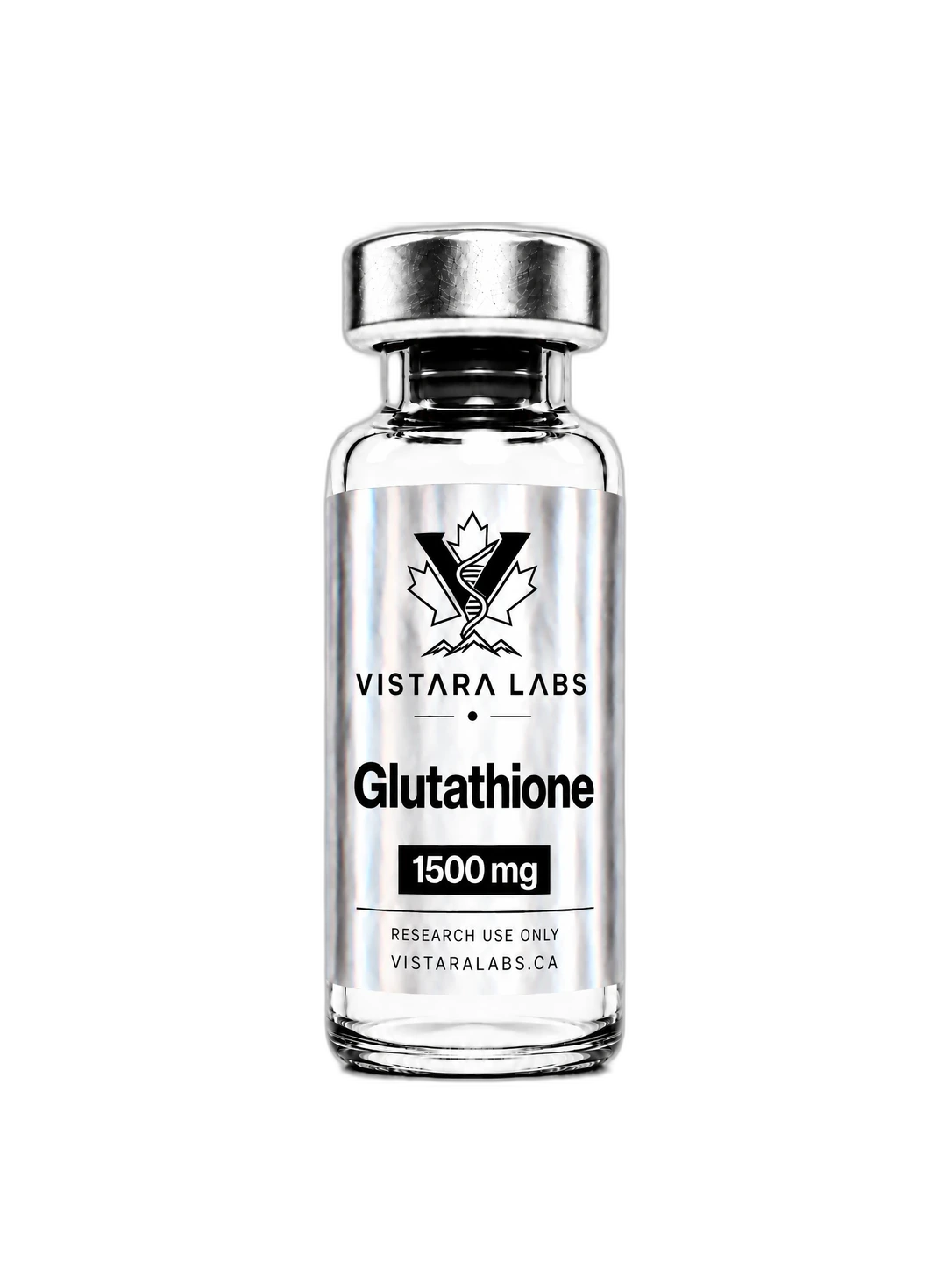
Glutathione is the most abundant antioxidant the human body makes, and unlike most of the research catalogue it has been through multiple randomized, placebo-controlled trials. Two of them are worth knowing in detail.
 View product →
Findings
- In a 6-month randomized, double-blind, placebo-controlled trial of 54 adults, oral glutathione raised glutathione stores in blood at 1, 3 and 6 months.
- At the higher dose, levels rose 30-35% in red cells, plasma and immune cells, and over 250% in cheek cells.
- Natural-killer immune cell activity more than doubled versus placebo at 3 months.
- In a separate 4-week double-blind trial of 60 subjects, oral glutathione measurably reduced skin melanin versus placebo, with significant reductions on the face and sun-exposed forearm.
- Both trials reported it was very well tolerated.
The 6-month body-stores trial (Eur J Nutr, 2015)
For years the standard objection to oral glutathione was that it could not survive digestion. This trial tested that directly: 54 non-smoking adults took 250 mg or 1,000 mg of glutathione daily, or placebo, for six months. Glutathione levels rose in every compartment measured — blood, red cells, plasma, lymphocytes and buccal cells — in a dose- and time-dependent way, and the oxidised-to-reduced glutathione ratio fell, indicating lower oxidative stress. Levels returned to baseline after a one-month washout, which is exactly the behaviour expected of a genuine supplementation effect.
The skin trial (J Dermatolog Treat, 2012)
Sixty healthy subjects took 500 mg daily or placebo for four weeks in a randomized, double-blind design. Melanin indices decreased at all six measured sites in the glutathione group, reaching statistical significance on the right side of the face and the sun-exposed left forearm — consistent with glutathione’s known role in shifting melanin synthesis. UV-spot imaging showed the same pattern.
Why researchers care
Glutathione sits at the centre of cellular redox chemistry: it neutralises reactive oxygen species, recycles other antioxidants, and its depletion is a feature of ageing and many disease models. The trials above are the reason it remains one of the most studied antioxidants in the literature.
Frequently asked questions
Does oral glutathione actually absorb?
The 6-month randomized trial found blood glutathione rose 30-35% at the higher dose, with increases in every compartment measured, settling the older absorption debate for the studied formulation.
What did the skin study find?
In a 4-week double-blind trial of 60 subjects, oral glutathione reduced skin melanin indices versus placebo, significantly on the face and sun-exposed forearm, and was very well tolerated.
Sources: Richie JP et al., Eur J Nutr 2015 (PMID 24791752); Arjinpathana N & Asawanonda P, J Dermatolog Treat 2012 (PMID 20524875); Weschawalit S et al., Clin Cosmet Investig Dermatol 2017 (PMID 28490897).
References
Glutathione has several human trials. Skin findings are endpoint-specific and a systematic review judged the overall evidence inconclusive; an intravenous Parkinson's pilot found no significant benefit.
- Glutathione as an oral whitening agent: a randomized, double-blind, placebo-controlled studyRandomised, double-blind, placebo-controlled trial; 60 healthy participants, oral glutathione, 4 weeks. Significant between-group differences at only two of the measured sites.
- The clinical effect of glutathione on skin color and other related skin conditions: A systematic reviewSystematic review of four clinical skin studies including three placebo-controlled randomised trials; authors concluded the evidence remains inconclusive.
- Randomized, double-blind, pilot evaluation of intravenous glutathione in Parkinson's diseaseRandomised, double-blind pilot; 21 patients, intravenous glutathione in Parkinson's disease. No statistically significant improvement in UPDRS outcomes versus placebo.
Links open the study record on PubMed so the source can be checked directly. Listing a study is not a claim that its findings apply to any other use, product or route of administration. Research use only.