KPV: The Anti-Inflammatory Tripeptide, Explained
KPV is the three-amino-acid tail of alpha-MSH, a natural human signalling hormone — and those three residues carry the parent molecule’s anti-inflammatory action in a package small enough to study everywhere from gut tissue to skin.
 View product →
Findings
- KPV is the anti-inflammatory fragment of alpha-MSH, a hormone the human body produces naturally.
- The alpha-MSH peptide family is an established class in the anti-inflammatory literature (Ann Rheum Dis, 2007).
- A 2025 review places KPV-class tripeptides among the promising molecules in wound healing and skin regeneration research.
- Laboratory work centres on inflammatory signalling in gut and skin tissue, which is why KPV appears in the KLOW blend.
Where KPV comes from
Alpha-MSH is a melanocortin hormone with documented anti-inflammatory signalling. Researchers isolated its three terminal amino acids — lysine, proline, valine — and found the fragment retains the anti-inflammatory activity without the pigmentation signalling of the parent hormone. That separation is what makes KPV its own research subject.
What the research covers
The KPV literature concentrates on inflammatory processes: gut-tissue models, skin models, and derivative molecules built on the same core. A 2025 review in the International Journal of Medical Sciences surveys tripeptides in wound care and tissue regeneration and identifies the class as a promising direction, with delivery and stability the main engineering questions. Human trials of KPV itself have not yet been published; the interest rests on the strength and consistency of the laboratory findings.
KPV in the catalogue
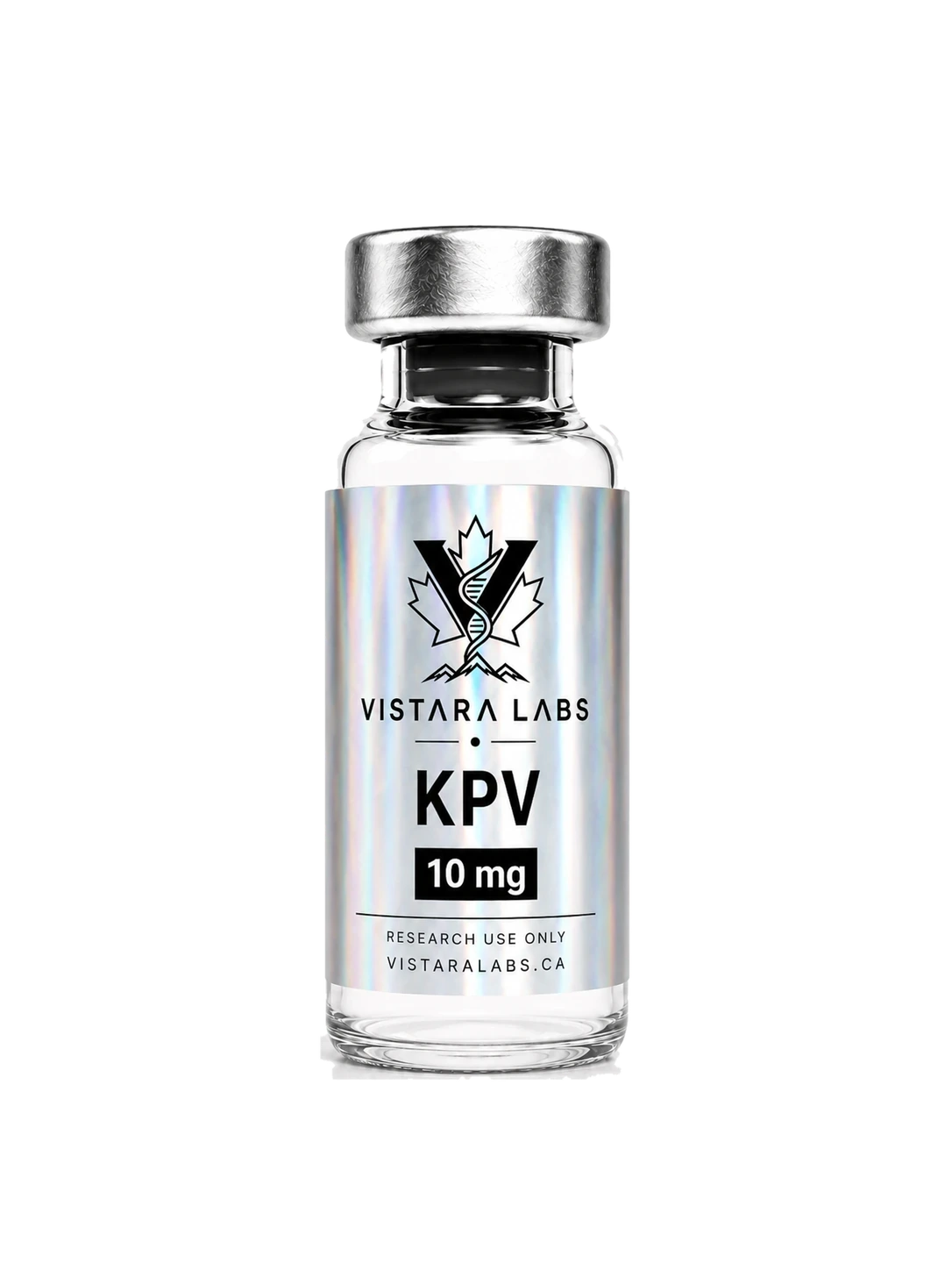
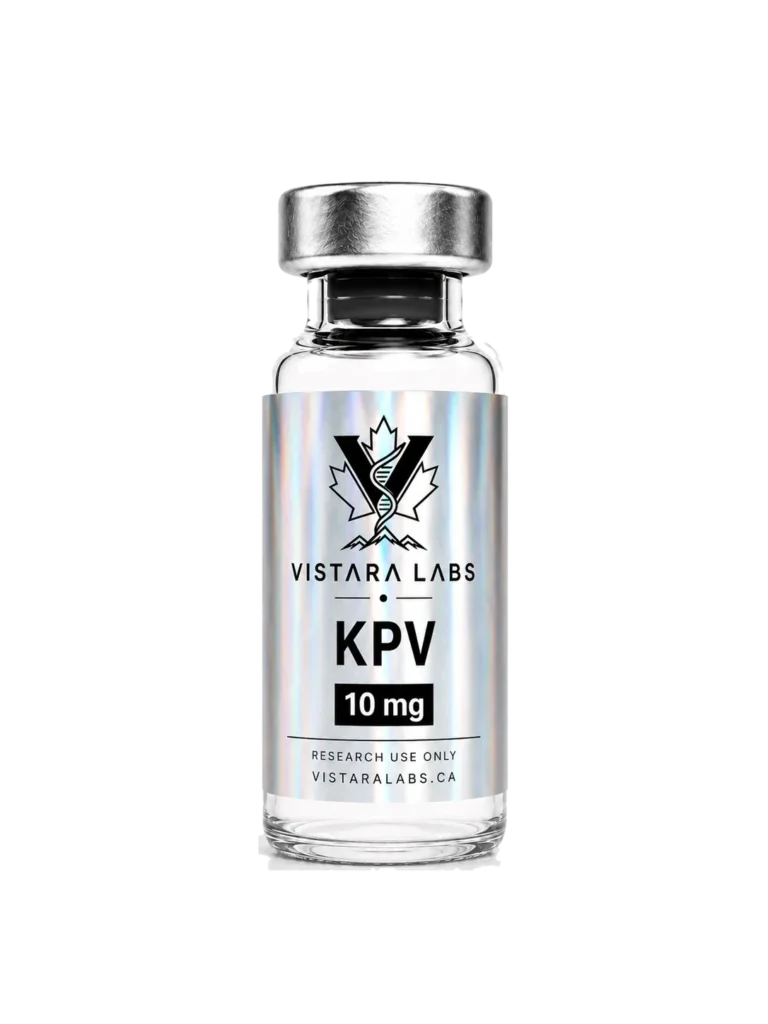
KPV is available as a standalone vial and a nasal spray, and it is the fourth component of the KLOW blend — the one-peptide difference we explain in KLOW vs GLOW.
Frequently asked questions
What is KPV?
KPV is the three-amino-acid anti-inflammatory fragment of alpha-MSH, a naturally occurring human hormone, studied principally in gut and skin inflammation research.
Why is KPV in the KLOW blend?
KLOW adds KPV to the GHK-Cu, BPC-157 and TB-500 core specifically for its anti-inflammatory research profile in gut and skin tissue.
Sources: Int J Med Sci 2025 (PMID 41209547); Ann Rheum Dis 2007 (PMID 17934097); J Surg Res 2006 (PMID 16413580).
References
No human exposure study of KPV was identified by any route. The foundational research below is cellular and animal work.
- PepT1-mediated tripeptide KPV uptake reduces intestinal inflammationLaboratory study in human intestinal epithelial cells and human T cells; no human exposure.
Links open the study record on PubMed so the source can be checked directly. Listing a study is not a claim that its findings apply to any other use, product or route of administration. Research use only.