Peptides for Skin: What the Research Shows
Peptides for skin research is led by GHK-Cu, a copper peptide found naturally in human plasma: in a placebo-controlled trial in diabetic foot ulcers, a GHK-Cu gel raised median ulcer closure to 98.5% against 60.8% on vehicle, and a 2015 review describes 12-week studies in 41 to 71 women in which GHK-Cu creams reduced fine lines and wrinkles and increased skin density. Glutathione has pigmentation trials, KPV has anti-inflammatory skin-cell research, and Melanotan II has a pigmentation research history. Here is what each found, and how the GLOW and KLOW blends bring the repair peptides together.
 View product →
Findings
- GHK-Cu, wounds: in diabetic foot ulcers, median closure of 98.5% against 60.8% on vehicle, three times faster closure, and infections in 7% against 34% (Wound Repair Regen, 1994).
- GHK-Cu, face: a 12-week facial cream study in 71 women with photoaging reported better laxity, clarity and appearance, fewer fine lines, shallower wrinkles and thicker, denser skin, as summarised in a 2015 review.
- GHK-Cu, collagen: in a one-month biopsy study, collagen production rose in 70% of women using GHK-Cu cream, against 50% with vitamin C and 40% with retinoic acid (same review).
- Glutathione: in 30 women, a glutathione lotion on one side of the face for 10 weeks left the melanin index significantly lower than the placebo side (P < 0.001), with more moisture, fewer wrinkles and smoother skin (2014).
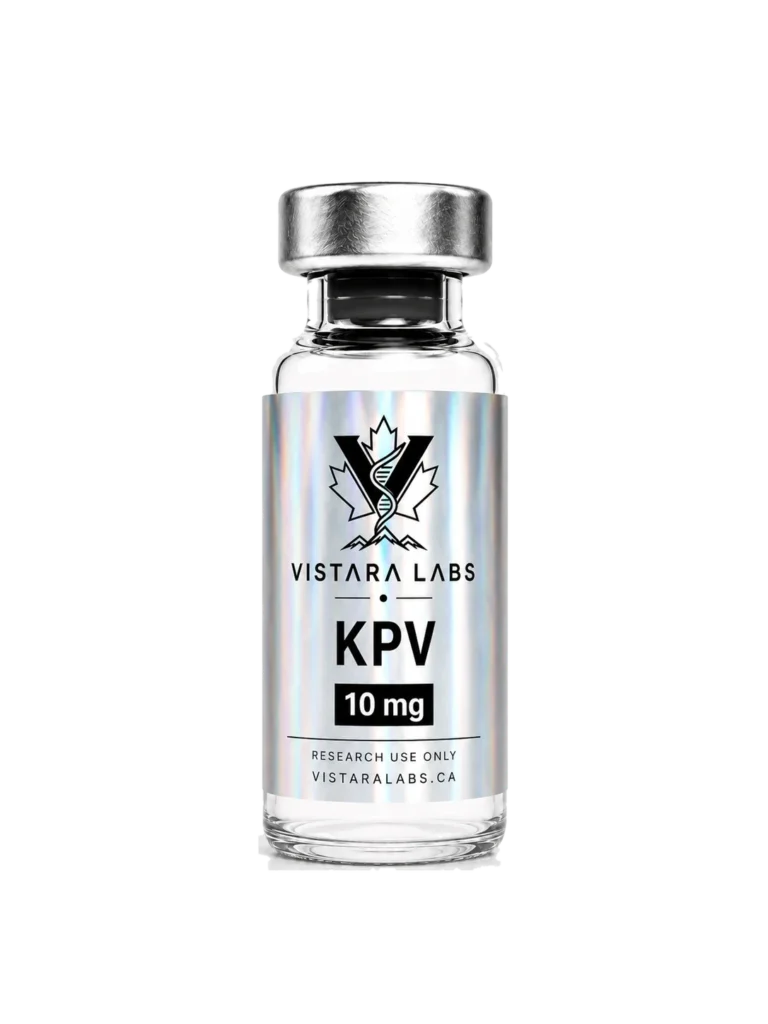
- KPV: in human skin cells exposed to fine dust, KPV restored cell viability and lowered the inflammatory signal IL-1β (Tissue Cell, 2025).
Which peptides have skin research?
| Compound | Study | Finding |
|---|---|---|
| GHK-Cu | Diabetic foot ulcers (1994) | Median closure 98.5% vs 60.8% |
| GHK-Cu | 71 women, 12 weeks | Fewer fine lines, denser skin |
| Glutathione | 30 women, 10 weeks (2014) | Melanin index lower vs placebo side |
| Glutathione | 60 adults, 4 weeks (2012) | Melanin index down at all 6 sites |
| KPV | Human skin cells (2025) | Less IL-1β after fine dust |
| Melanotan II | 3 men, pilot (1996) | Pigmentation up in 2 of 3 |
What has GHK-Cu research shown for skin?
GHK (glycyl-histidyl-lysine) is a tripeptide isolated from human plasma that binds copper. It is present in plasma, saliva and urine, and its level declines with age. In early-stage laboratory research, GHK-Cu stimulated collagen synthesis by fibroblasts, peaking at one nanomolar (FEBS Lett, 1988). A 2015 review in BioMed Research International summarises placebo-controlled studies in women around 50:
- Collagen, one month. In a skin biopsy study, creams were applied to the thigh. Collagen production increased in 70% of women using GHK-Cu, against 50% with vitamin C cream and 40% with retinoic acid.
- Facial cream, 12 weeks. In 71 women with mild to advanced photoaging, a GHK-Cu cream improved skin laxity, clarity and appearance, reduced fine lines and wrinkle depth, and increased skin density and thickness.
- Eye cream, 12 weeks. In 41 women, a GHK-Cu eye cream outperformed both a placebo and a vitamin K eye cream on lines and wrinkles, overall appearance, and skin density and thickness.
- Facial study, 67 women. In women aged 50 to 59, a GHK-Cu cream improved laxity, clarity and firmness, reduced fine lines, coarse wrinkles and mottled pigmentation, and strongly stimulated keratinocyte proliferation on biopsy.
The strongest controlled result is in wounds. In a multicentre, randomised, evaluator-blinded, placebo-controlled trial in diabetic neuropathic foot ulcers, a GHK-Cu gel used alongside standard wound care raised median closure to 98.5% against 60.8% on vehicle (p < 0.05), closed ulcers three times faster, and, started right after debridement, cut infections to 7% against 34% (Wound Repair Regen, 1994). After laser resurfacing, patients using GHK-Cu skin care rated their improvement in overall skin quality significantly higher (P = .04), while blinded measures were similar between groups (Arch Facial Plast Surg, 2006). The full record is in GHK-Cu: the skin research.
Sources: Pickart L, Vasquez-Soltero JM, Margolina A. Biomed Res Int. 2015. PMID 26236730. Maquart FX et al. FEBS Lett. 1988. PMID 3169264. Mulder GD et al. Wound Repair Regen. 1994. PMID 17147644. Miller TR et al. Arch Facial Plast Surg. 2006. PMID 16847171.
What are GLOW and KLOW?
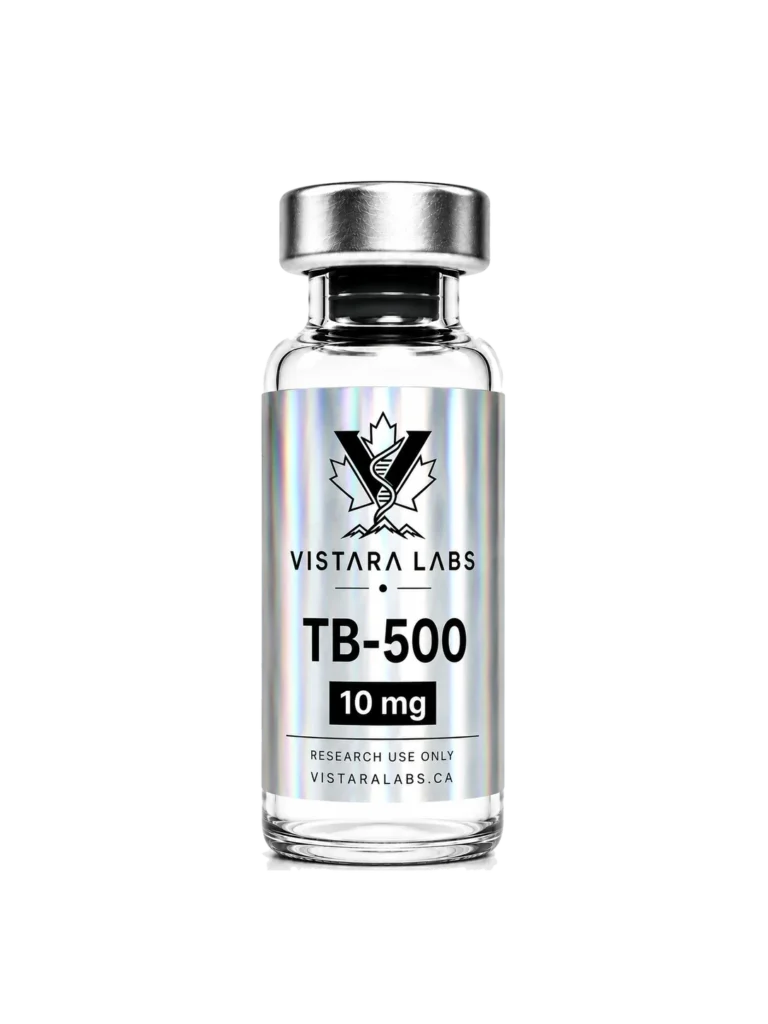
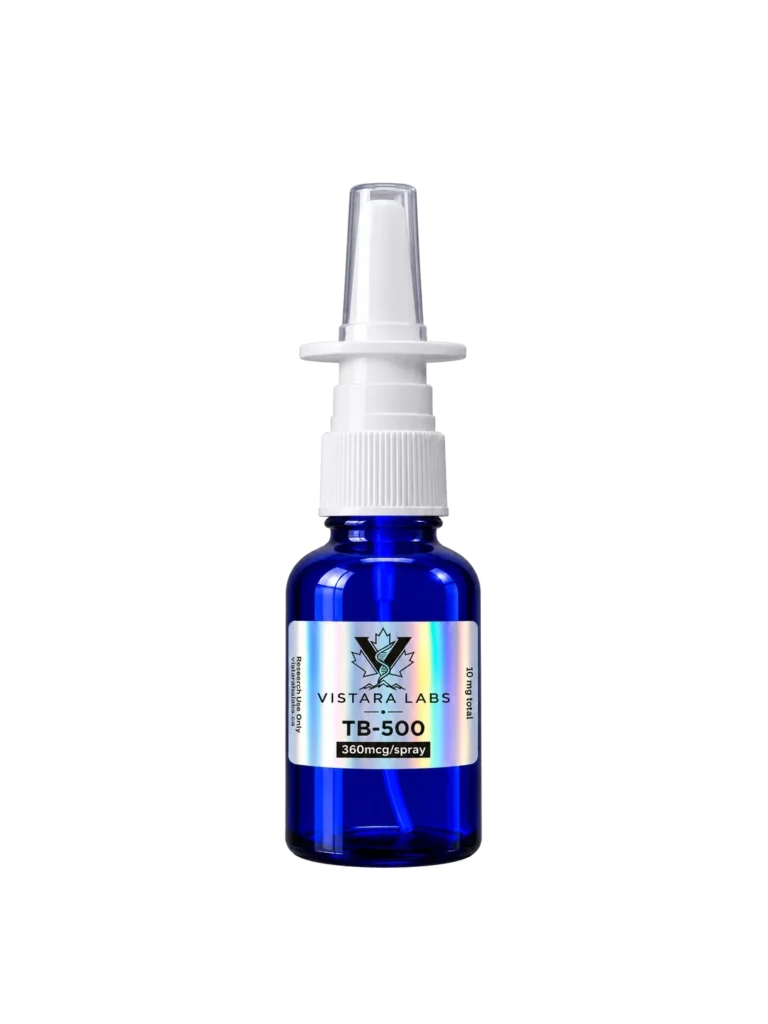
The GLOW Blend puts 50 mg GHK-Cu, 10 mg BPC-157 and 10 mg TB-500 in one vial, and the KLOW Blend adds 10 mg KPV. The partners bring their own repair research. In two phase 2 trials in stasis and pressure ulcers, thymosin beta-4, the protein TB-500 is derived from, brought wound closure almost a month sooner in patients whose wounds closed (Ann N Y Acad Sci, 2012), and in early-stage laboratory research it raised re-epithelialisation by up to 61% at day 7 with more collagen deposition (1999). BPC-157’s laboratory profile centres on new blood vessel growth, collagen synthesis and fibroblast activity (2026 review).
Both blends also come ready-mixed as the GLOW Nasal Spray and KLOW Nasal Spray, and the Total Glow Up stack pairs a GLOW vial with reta (GLP-3) and MOTS-c. KLOW vs GLOW explains the choice.
Sources: Treadwell T et al. Ann N Y Acad Sci. 2012. PMID 23050815. Malinda KM et al. J Invest Dermatol. 1999. PMID 10469335. Yuan C et al. Int J Mol Sci. 2026. PMID 41898733.
What has glutathione research shown for skin?
Glutathione is a tripeptide of cysteine, glycine and glutamate, and a major antioxidant made in the body. Its skin trials tested a lotion and capsules:
- 2014, 30 women. Women aged 30 to 50 applied an oxidised glutathione lotion to one side of the face and a placebo lotion to the other for 10 weeks. The melanin index was significantly lower on the glutathione side from the early weeks to the end (P < 0.001 at 10 weeks), and in the second half of the study that side also gained moisture, fewer wrinkles and smoother skin (Clin Cosmet Investig Dermatol).
- 2012, 60 adults. In medical students taking glutathione capsules or placebo for 4 weeks, the melanin index fell at all six sites measured, significantly more than placebo on the right side of the face and the sun-exposed forearm.
- 2017, women, 12 weeks. Oral glutathione significantly reduced wrinkles at some sites compared with placebo, with a tendency toward greater skin elasticity.
More in Glutathione: the research behind the antioxidant.
Sources: Watanabe F et al. Clin Cosmet Investig Dermatol. 2014. PMID 25378941. Arjinpathana N, Asawanonda P. J Dermatolog Treat. 2012. PMID 20524875. Weschawalit S et al. Clin Cosmet Investig Dermatol. 2017. PMID 28490897.
What has KPV research shown on skin inflammation?
KPV (Lys-Pro-Val) is the last three amino acids of alpha-MSH, a hormone involved in skin pigmentation. A 2008 review from a dermatology department describes KPV as keeping the hormone’s anti-inflammatory activity without its pigmentary action, and names inflammatory skin disease among its research directions (Endocr Rev). In a 2025 study in human keratinocytes exposed to fine dust, KPV restored cell viability, lowered IL-1β, curbed reactive oxygen species and reduced inflammatory cell death in a three-dimensional skin model (Tissue Cell). The published work to date is early-stage laboratory research. KPV also comes as the KPV Nasal Spray, and KPV: the anti-inflammatory tripeptide, explained covers its wider record.
Sources: Brzoska T et al. Endocr Rev. 2008. PMID 18612139. Sung J et al. Tissue Cell. 2025. PMID 40073467.
Where does Melanotan II fit in skin research?
Melanotan II is a cyclic seven-amino-acid analogue of alpha-MSH, studied at the University of Arizona. In a 1996 pilot phase 1 study in three men, two showed increased pigmentation on the face, upper body and buttocks, measured by reflectance a week after the last administration, and mild nausea was reported at most of the levels tested (Life Sci). Its later clinical history is in Melanotan II: the clinical history and the PT-141 connection, and it also comes as the Melanotan II Nasal Spray.
Source: Dorr RT et al. Life Sci. 1996. PMID 8637402.
GHK-Cu as a vial or a spray
GHK-Cu comes as a 100 mg lyophilised vial and as the ready-mixed GHK-Cu Nasal Spray (100 mg in 10 mL of sterile saline, metered pump). Vials are reconstituted with bacteriostatic water (the peptide calculator does the arithmetic). Orders ship from within Canada by Canada Post Xpresspost, with certificates of analysis on the lab reports page.
GHK-Cu, the blends, glutathione, KPV and Melanotan II are supplied for laboratory research use only. More skin and tissue research is collected in our research notes.
Frequently asked questions
What has GHK-Cu research shown for skin?
A 2015 review summarises placebo-controlled studies in which GHK-Cu creams, used for 12 weeks by groups of 41 to 71 women, reduced fine lines and wrinkles and increased skin density and thickness. In a one-month biopsy study, collagen production rose in 70% of women using GHK-Cu, against 50% with vitamin C and 40% with retinoic acid.
What did the GHK-Cu wound study find?
In a randomised, placebo-controlled trial in diabetic foot ulcers, a GHK-Cu gel raised median ulcer closure to 98.5% against 60.8% on vehicle, closed ulcers three times faster, and cut infections to 7% against 34% when started right after debridement (1994).
What has glutathione research shown for skin?
In 30 women, a glutathione lotion on one side of the face for 10 weeks left the melanin index significantly lower than on the placebo side, with more moisture, fewer wrinkles and smoother skin (2014). In 60 adults, oral glutathione lowered the melanin index at all six sites measured over 4 weeks (2012).
What is the difference between GLOW and KLOW?
GLOW combines 50 mg GHK-Cu, 10 mg BPC-157 and 10 mg TB-500. KLOW is the same blend plus 10 mg KPV, the anti-inflammatory tripeptide from alpha-MSH. Both come as a lyophilised vial or a ready-mixed nasal spray.
Where can I buy GHK-Cu in Canada?
Vistara Labs supplies GHK-Cu as a 100 mg vial and a ready-mixed nasal spray, along with the GLOW and KLOW blends, glutathione, KPV and Melanotan II, shipped from within Canada by Canada Post Xpresspost.
More on this: Peptides for Injury Recovery: What the Research Shows.
All products supplied by Vistara Labs are intended for laboratory research use only. They are not drugs, are not approved for human or veterinary use, and are not intended to diagnose, treat, cure or prevent any condition. Nothing on this page constitutes medical advice or guidance for use in humans.
References
The stronger human GHK-Cu evidence is topical and wound-related. It does not establish effects for systemic or injectable use, and one randomised cosmetic study found no objective advantage.
- Enhanced healing of ulcers in patients with diabetes by topical treatment with glycyl-l-histidyl-l-lysine copperMulticentre randomised, evaluator-blinded, placebo-controlled trial; topical GHK-Cu in diabetic neuropathic ulcers.
- Effects of topical copper tripeptide complex on CO2 laser-resurfaced skinRandomised trial after CO2 laser resurfacing; 13 patients completed. No significant objective advantage found for erythema, wrinkles or overall skin quality.
Links open the study record on PubMed so the source can be checked directly. Listing a study is not a claim that its findings apply to any other use, product or route of administration. Research use only.