Peptide Stacks in Canada: How They Are Built
The argument for a stack is not that more compounds are better. It is that a well-built stack contains compounds acting on different mechanisms, and a badly built one contains two or three compounds crowding the same receptor. The first is a research design. The second is an expensive way to study one thing while believing you are studying three.
 View product →
Findings
- A good stack combines compounds acting on different mechanisms; a bad one crowds several onto the same receptor.
- Stack names are marketing; no regulator defines them. What is in the box matters, not the name.
- Every stack we list names each of its compounds, and certificates of analysis from independent laboratories are published on our lab reports page.
What a stack actually is
In this category, a stack is simply several research compounds supplied together because they are studied around related questions. There is nothing more formal to it than that. No regulator defines the term, no monograph standardises any particular combination, and vendors name them however they like — which is why the Wolverine stack (or Healing Blend) means whatever the vendor selling it decides it means.
So the name on the box tells you nothing. What is in it tells you everything.
The one principle worth understanding
A stack earns its place when its components act on distinct, non-overlapping pathways.
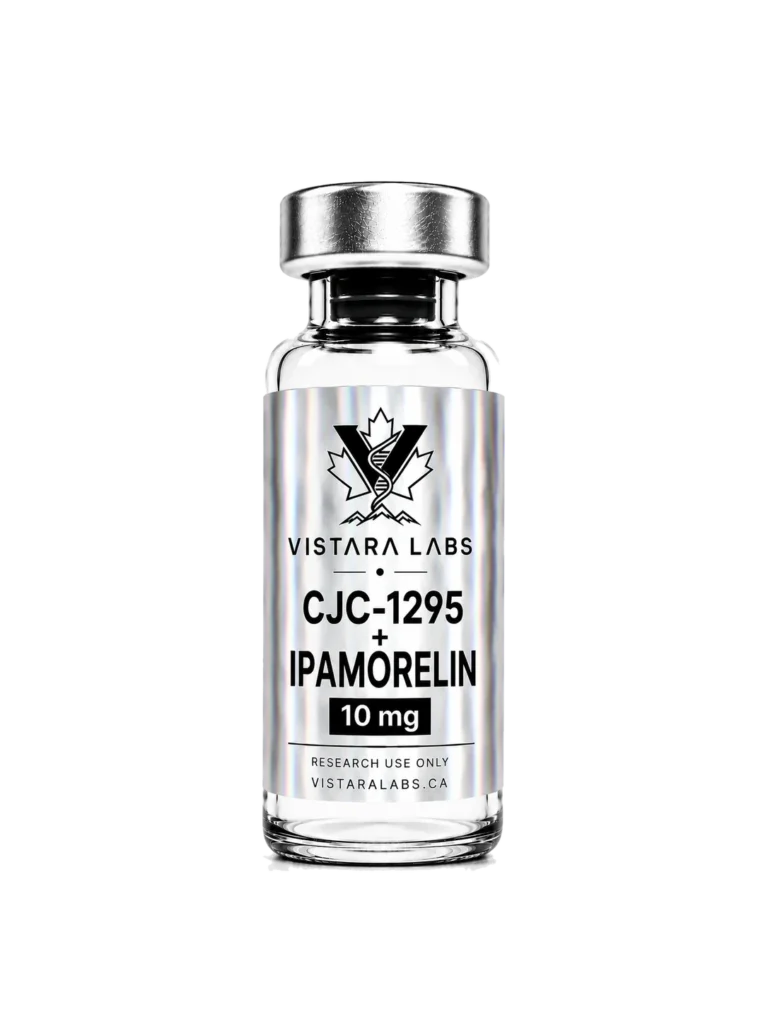
Consider the growth hormone axis as an example, because it makes the logic concrete. Endogenous GH release is gated by two independent inputs: the GHRH receptor and the ghrelin receptor. Tesamorelin and CJC-1295 are GHRH analogues. Ipamorelin acts at the ghrelin receptor. Those are genuinely separate inputs into the same system, and that separation is precisely why the literature studies them in combination.
Now consider the failure case. Pairing two GHRH analogues gives you two compounds competing for the same receptor. You have doubled the cost and learned nothing you could not have learned from either one alone, because there is no way to attribute anything you observe to one rather than the other.
The test for any stack, ours included: name the distinct mechanism each component contributes. If two components collapse into the same answer, the stack is a bundle with a marketing name, not a research design.
Three ways stacks are built badly
- Redundant components. Two compounds from the same class, as above. Common because it makes an impressive-looking ingredient list.
- Unstated quantities. A stack that names its compounds but not the milligrams in each vial cannot be compared with anything, including a cheaper version of itself. This is the single most common gap on peptide product pages.
- Themed rather than mechanistic. Compounds grouped because they share a marketing category — “recovery”, “anti-ageing” — rather than because they act on connected biology. The theme is written first and the contents are chosen to fit it.
The trade-off is control. A pre-built stack fixes the ratio between components; buying the vials individually leaves that ratio in your hands. Which matters depends entirely on whether the work requires the components held independently — and for a lot of research it does not, which is why bundles exist.
The Canadian angle
Every compound in these stacks is supplied as a research material, in sealed vials and with the same documentation as the individual products it combines.
Every stack is dispatched from Canadian stock as one tracked parcel to any province, with all of its vials packed together, and bacteriostatic water can be added to the same parcel.
For stacks in particular, where several compounds arrive at once, one parcel keeps the order simple: one shipment, one tracking number and one delivery. That convenience, alongside bundled pricing, is why many research buyers choose a stack over separate vials. Questions about any stack can go to our team through the contact page.
The stacks Vistara supplies
Each is built on the principle above: distinct mechanisms, no redundancy. Each also pairs with bacteriostatic water, sold separately, which is worth having from a known source given what a poor diluent does to a multi-vial order.
Body Composition
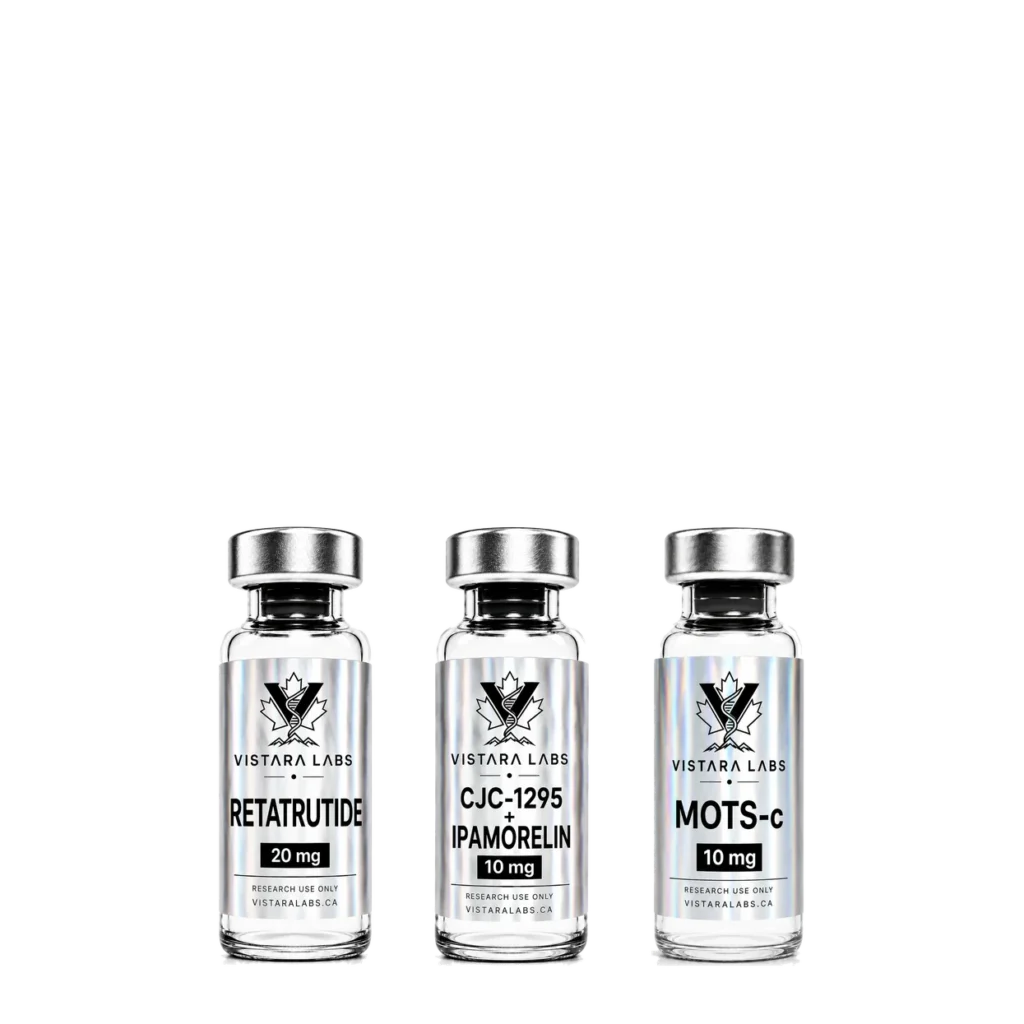
Retatrutide, CJC-1295/Ipamorelin and MOTS-c. Three separate systems: incretin receptor signalling, the growth hormone axis, and mitochondrial-derived metabolic signalling. The most-requested combination in the metabolic category.
GH Axis
Tesamorelin with CJC-1295/Ipamorelin. Two different inputs into growth-hormone release: a stabilised GHRH analogue on one side, and a GHRH analogue paired with a ghrelin-receptor agonist on the other. The narrowest stack listed here, and deliberately so.
Growth & Repair
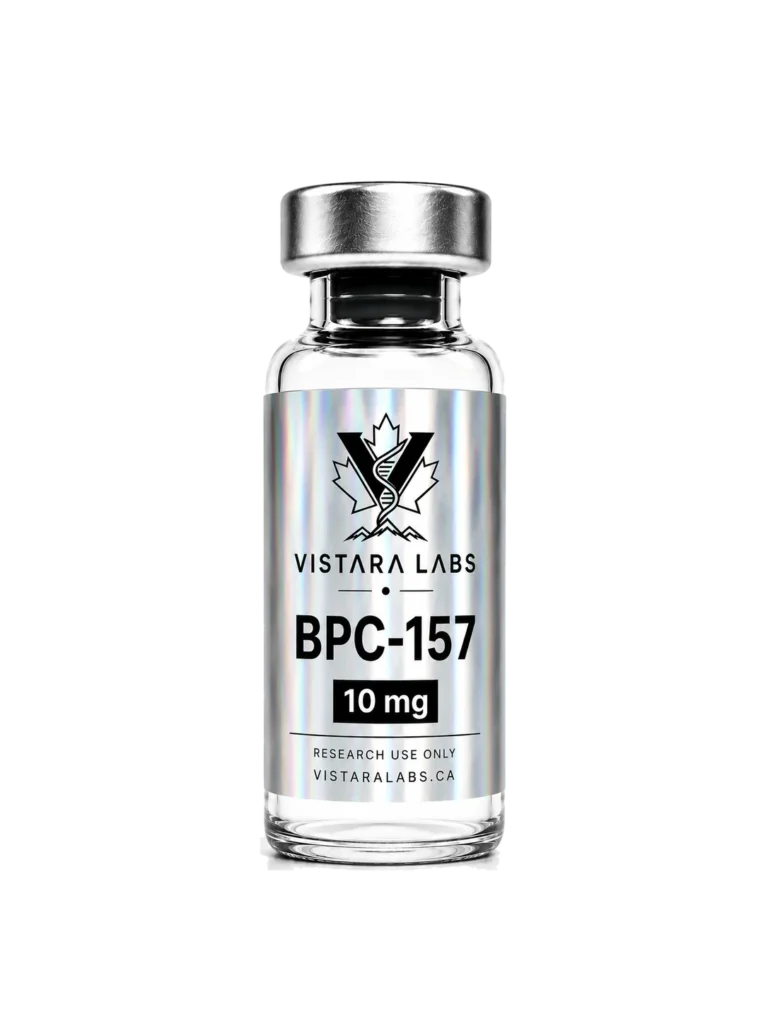
CJC-1295/Ipamorelin, HCG and the BPC-157 + TB-500 blend. The GH axis, the gonadal axis, and the tissue-repair literature — three distinct areas rather than three angles on one.
Cognitive Axis
Semax, Selank and Cerebrolysin. Plasticity, inhibitory tone and broad neurotrophic support — three arms of the same neural machinery rather than three compounds pushing the same lever.
Metabolic Axis
Retatrutide with Tesamorelin. The incretin axis and the growth-hormone axis approaching body composition from two directions that do not overlap. The two-compound version of the argument this article is making.
Mitochondrial Energy
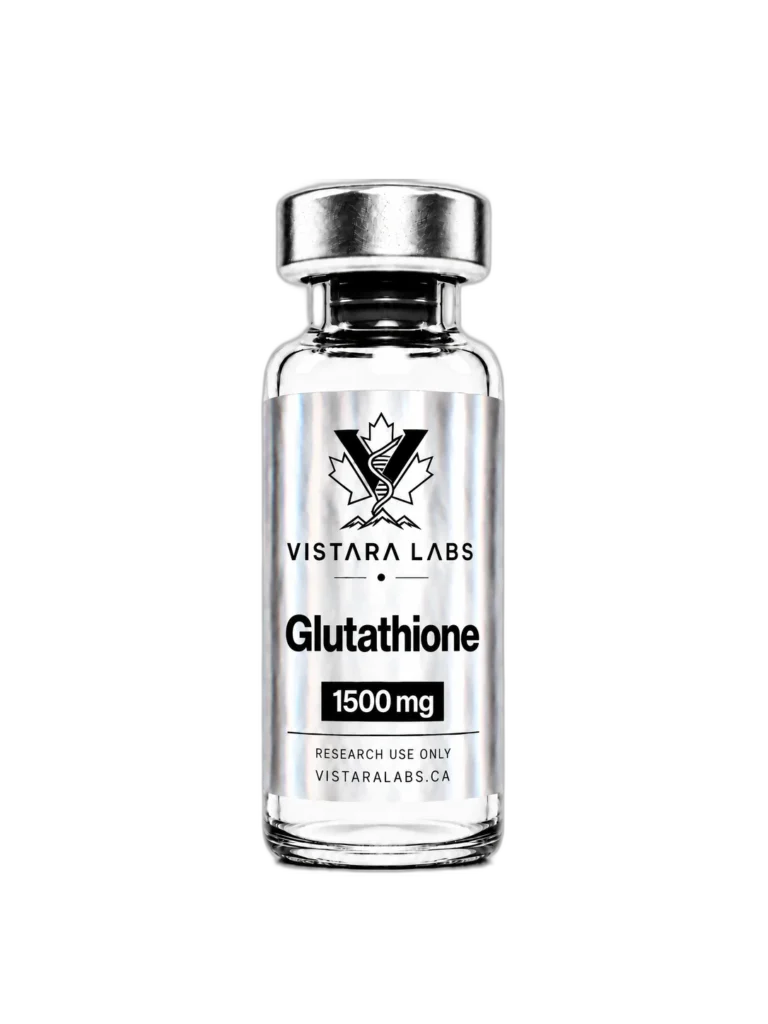
Glutathione, SS-31 and MOTS-c. Redox buffering, membrane structure and metabolic signalling — three levels of the same organelle, chosen so that no component duplicates another.
Repair & Recovery
BPC-157 + TB-500 with KPV. The repair pairing plus a tripeptide studied in inflammatory signalling models. The entry point into the category, and the least expensive stack we list.
Total Glow Up
Retatrutide, the GLOW blend and MOTS-c. Metabolic signalling, the copper-peptide and repair literature, and mitochondrial-peptide research.
The full range, including current pricing, is on the stacks page.
Buying a peptide stack in Canada
The stacks above are built and described to the same few principles:
- Every compound named. Each component is listed by name, so the contents are clear rather than summed up by a theme.
- A full vial of each component. Each stack is built from the same vials sold individually, which is what makes it directly comparable with buying those vials separately.
- A distinct mechanism for each component. Every component contributes something the others do not, as described stack by stack above.
- Certificates published. Certificates of analysis from independent laboratories are published on our lab reports page, each showing purity above 99%.
- Research-use framing throughout. Each stack is described by mechanism and published literature, for laboratory research use, never by promised outcomes.
Vistara Labs supplies research stacks shipped from within Canada to every province.
Frequently asked questions
What is a peptide stack?
Several research compounds supplied together because they are studied around related questions. The term is informal — no regulator defines it and no monograph standardises any particular combination.
Can you stack peptides?
Compounds are routinely studied in combination in the research literature, and the rationale is that they act on different pathways. Whether any particular combination is worth studying together depends on whether its components address genuinely distinct mechanisms.
What makes a badly designed stack?
Most often redundancy: two components from the same class acting on the same receptor, so nothing observed can be attributed to one rather than the other. Unstated milligram quantities and purely thematic grouping are the other two common problems.
Does a peptide stack order go through Canadian customs?
No. Every order ships from within Canada, so there is no customs step. A stack travels as an ordinary domestic parcel with Canadian tracking, the same as a single vial, and arrives as one shipment to any province.
All products supplied by Vistara Labs are intended for laboratory research use only. They are not drugs, are not approved for human or veterinary use, and are not intended to diagnose, treat, cure or prevent any condition. Nothing on this page constitutes medical advice or guidance for use in humans.