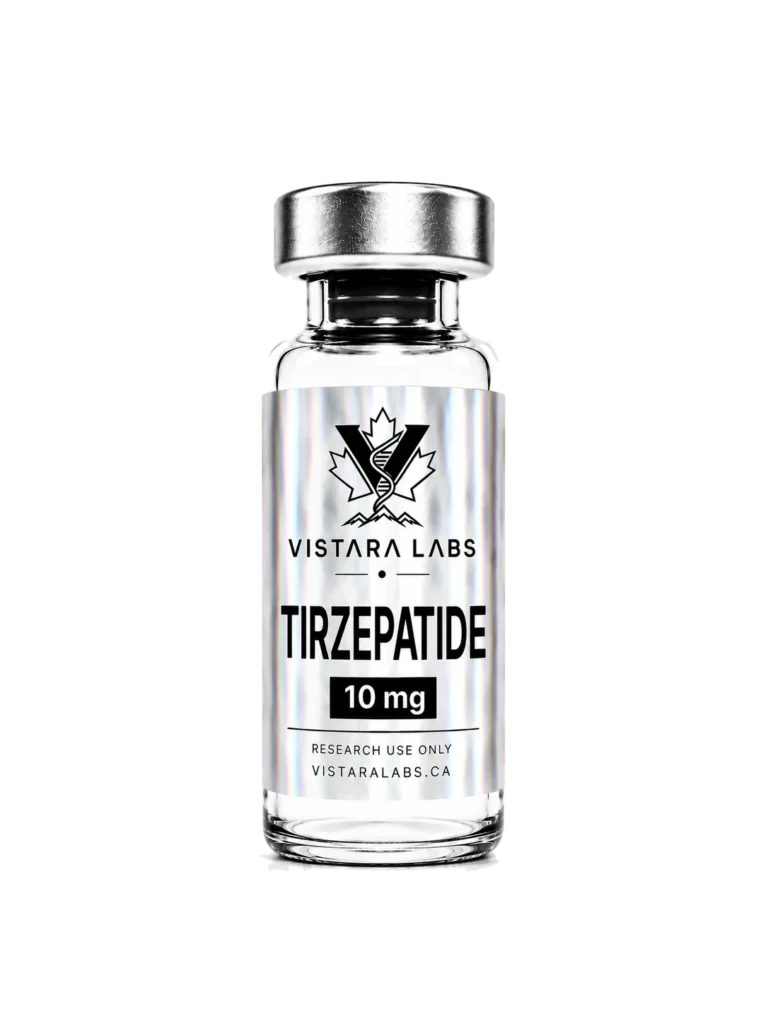
Do Peptides Survive Winter and Summer Shipping in Canada?
Yes, for sealed lyophilised vials. Freeze-dried peptide is dry and tolerates the few days at ambient temperature that a domestic Xpresspost parcel involves, including winter cold, which is why Vistara Labs ships vials without ice packs. In winter, let sealed vials warm to room temperature before opening; in summer, bring the parcel inside promptly.
Findings
- Lyophilised peptide is dry, and most of the reactions that degrade a peptide need water, so sealed vials travel at ambient temperature.
- Cold does not harm dry powder: sealed vials are held at −20 °C for long storage anyway. The risk in winter is condensation if a cold vial is opened straight away.
- Heat is the main enemy of dry peptide, ahead of light and moisture, so a parcel should not sit in a hot car or in direct sun.
- Ready-mixed nasal sprays are solutions and should never be frozen, so they deserve the most attention in a cold snap.
Why sealed vials ship without ice packs
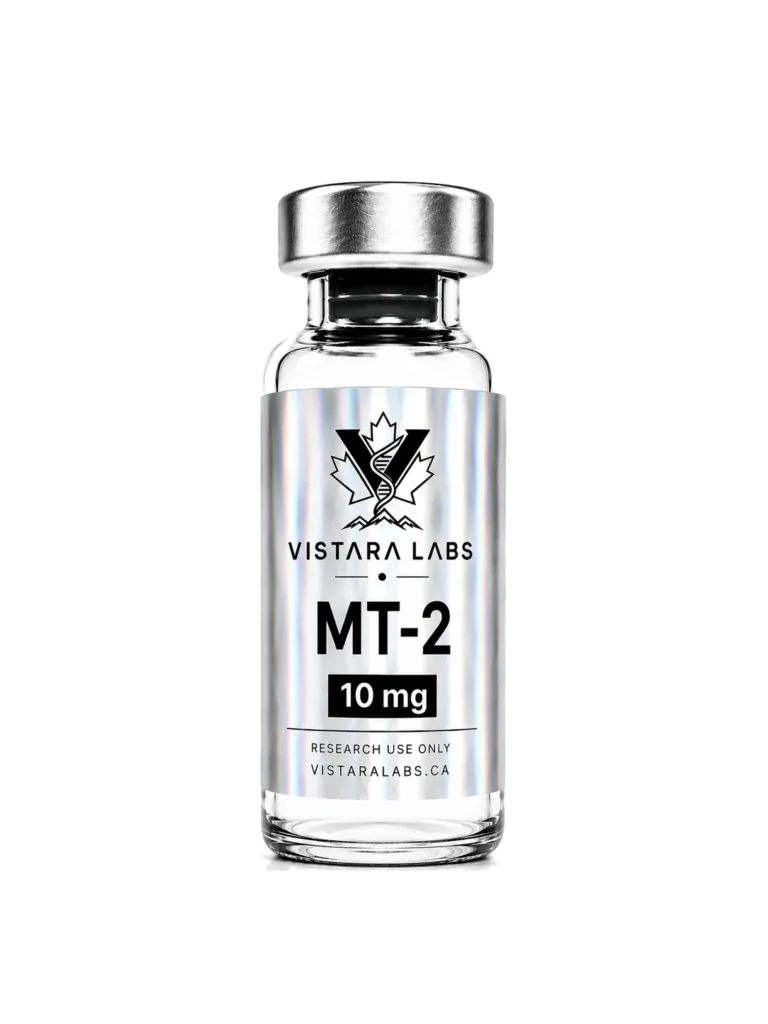
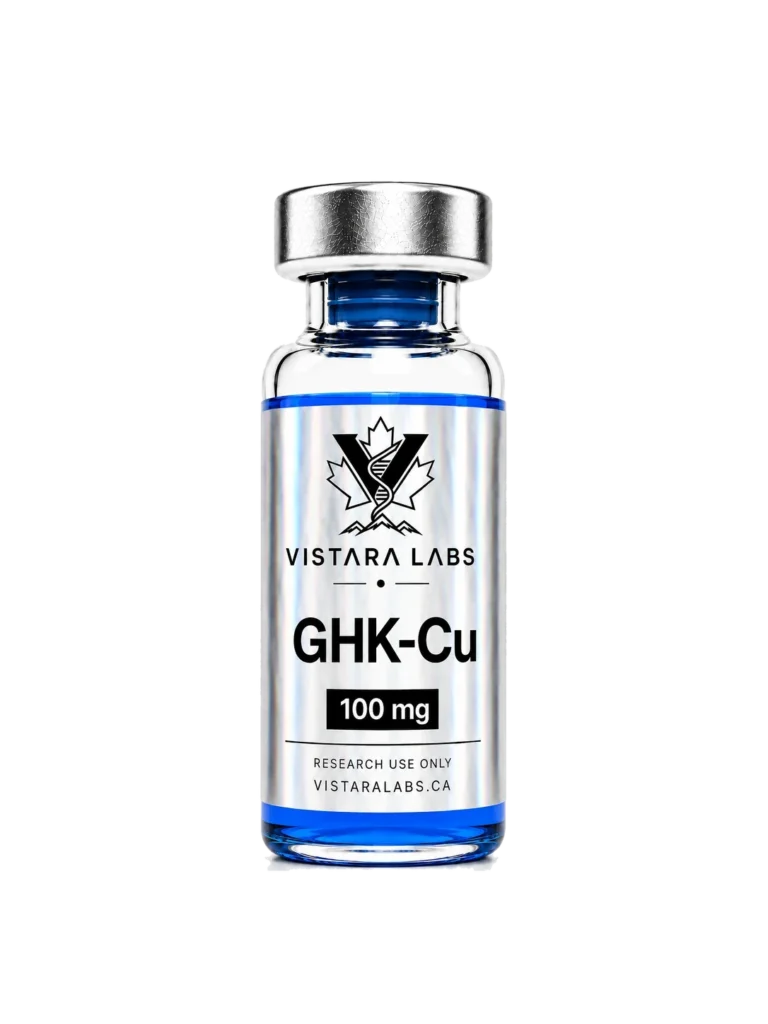
A lyophilised (freeze-dried) peptide is a dry cake with almost no water in it. The chemistry that breaks peptides down, such as hydrolysis, deamidation and aggregation, happens mainly in solution, so removing the water is what makes the powder stable. That is why research suppliers move sealed vials at ambient temperature, and why an ice pack can even work against a dry vial: unpacked into a warm room, cold glass draws condensation. Our storage guide covers the principles in full.
Winter: what to do with a cold parcel
- Leave the vials sealed and let them warm up. Bring the parcel indoors and let the unopened vials reach room temperature before piercing a stopper, so moisture does not condense on the powder.
- Freezing does not harm dry powder. Sealed lyophilised vials are routinely stored at −20 °C for months, so a parcel that arrives very cold is not a concern for vials.
- Then store as normal: 2 to 8 °C for work in the coming weeks, or the freezer for longer holds.
Summer: what to do with a warm parcel
Heat is the main threat to dry peptide, ahead of light and moisture. A sealed vial tolerates an afternoon in a warm mailbox, but it should not be left in a parked car or in direct sun. Bring the parcel inside promptly and refrigerate the vials on arrival.
Nasal sprays and capsules in transit
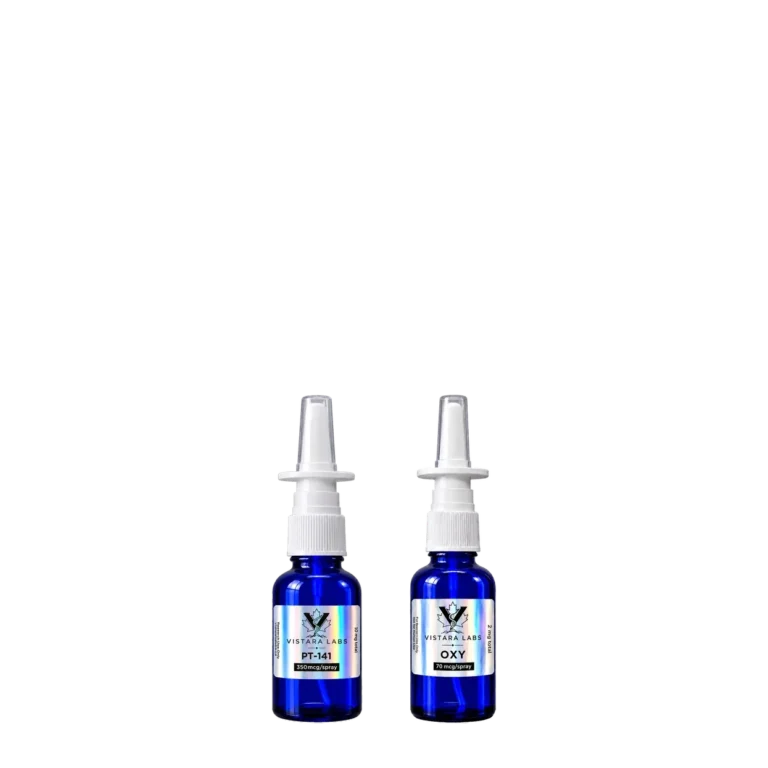
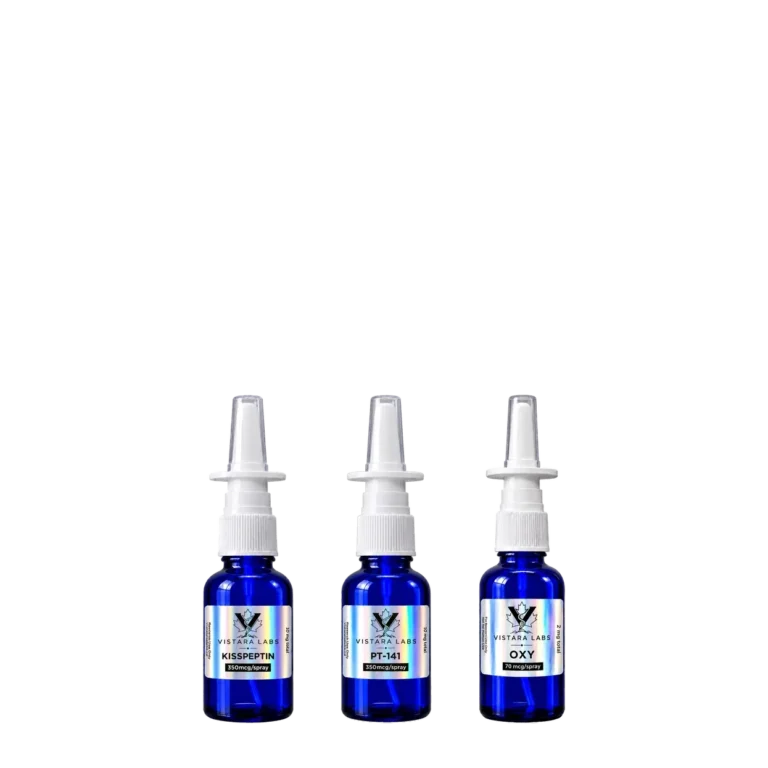
Ready-mixed nasal sprays arrive with the peptide already in solution. Our guide to storing a peptide nasal spray says to refrigerate a spray at 2 to 8 °C once opened and never to freeze it, because freezing and thawing aggregates peptides in solution. The site does not publish a transit temperature limit for sprays, so in a cold snap or a heat wave, bring the parcel in as soon as it arrives and follow the storage directions on the label.
Pre-measured capsules are dry, like vials. Store them as the bottle label directs.
Checking the vials on arrival
A sealed lyophilised vial should hold a white to off-white cake or powder; a cake that has broken into loose powder in transit is cosmetic. A cake that looks wet, has collapsed into a sticky syrup, or has turned yellow or brown has been exposed to moisture or heat. The compound-specific on-arrival notes, such as retatrutide on arrival, go through the checks step by step. If anything arrives damaged, email [email protected] with your order number and photos of the packaging and contents, as set out in the shipping policy.
Transit times and timing an order
Orders ship from the Vancouver area by tracked Canada Post Xpresspost, Monday to Friday; orders placed before 3 PM PST ship the same business day, and weekend or holiday orders go out the next business day. Typical transit runs from the next business day in Metro Vancouver to two or three business days to major cities further east, and longer to northern and remote addresses. Canada Post’s exceptions apply, and severe weather can add time. The full table by region is on the shipping policy, with local cutoff times in how long peptide shipping takes in Canada.
In the coldest and hottest weeks, a few habits keep a parcel’s time in the box short: order early in the week so it travels within the working week, use a delivery address where someone can bring it in, and follow the tracking link emailed when it ships.
Everything Vistara Labs sells is supplied for laboratory research use only and ships within Canada only, so there is no customs step. For how the three formats differ, see choosing a peptide format.
Frequently asked questions
Do research peptides need cold shipping?
Not when they are sealed lyophilised vials. Freeze-dried peptide is dry and tolerates a few days at ambient temperature in domestic transit, so Vistara Labs ships vials without ice packs. Refrigerate them on arrival.
Can freezing in a winter parcel damage lyophilised peptides?
No. Dry, sealed lyophilised vials are routinely stored at −20 °C. Let a very cold vial reach room temperature before opening it, so condensation does not form on the powder.
What if my parcel sat somewhere warm?
A sealed, dry vial tolerates an afternoon in a warm mailbox. Avoid leaving parcels in a parked car or in direct sun, and refrigerate the vials once they are inside.
Are peptide nasal sprays affected by cold weather in transit?
Sprays are solutions, and the storage guidance is never to freeze them. No transit temperature limit is published, so bring the parcel in promptly during a cold snap and refrigerate the spray as its label directs.
How long does peptide shipping take within Canada?
Orders ship from the Vancouver area by Canada Post Xpresspost. Typical transit is the next business day in Metro Vancouver, two to three business days to major cities further east, and longer to northern and remote addresses. See the shipping policy for the full table.
More on this: How to store research peptides · How long peptide shipping takes in Canada · Shipping policy.
All products supplied by Vistara Labs are intended for laboratory research use only. They are not drugs, are not approved for human or veterinary use, and are not intended to diagnose, treat, cure or prevent any condition. Nothing on this page constitutes medical advice or guidance for use in humans.