What Are Peptides? A Plain Guide for Canadian Researchers
Peptides are short chains of amino acids, the same building blocks that make up proteins, joined end to end by peptide bonds. Insulin and oxytocin are peptides, and so are research compounds such as BPC-157, GHK-Cu and MOTS-c. This guide covers how peptides are made and tested, the main research families, and how they are supplied, stored and bought in Canada.
Findings
- A peptide is a defined chain of amino acids. US regulations draw the line with proteins at 40: a chain longer than 40 amino acids is treated as a protein (21 CFR 600.3).
- Peptide medicines are well established. Since insulin reached patients in the 1920s, more than 80 peptide drugs have reached the market (Muttenthaler et al., Nat Rev Drug Discov, 2021).
- Most peptides are now made by solid-phase synthesis, a method reported by Bruce Merrifield in 1963 and recognised with the 1984 Nobel Prize in Chemistry (D’Hondt et al., J Pharm Biomed Anal, 2014).
What is a peptide?
Every peptide is a string of amino acids. There are 20 standard amino acids, and their order, the sequence, decides what the molecule is and what it binds to. GHK-Cu is a tripeptide (glycine, histidine, lysine) carrying a copper ion; DSIP is nine amino acids long, first characterised in 1977 with the sequence Trp-Ala-Gly-Gly-Asp-Ala-Ser-Gly-Glu (Schoenenberger and Monnier, Proc Natl Acad Sci USA, 1977); MOTS-c is 16 amino acids long (Lee et al., Cell Metab, 2015).
Peptide or protein?
The difference is size and shape. Proteins are long chains, often hundreds of amino acids, folded into complex shapes. Peptides are short and usually act as signals: hormones and growth factors that bind a receptor and switch something on or off. Therapeutic peptides typically weigh between 500 and 5,000 daltons (Wang et al., Signal Transduct Target Ther, 2022). For regulatory purposes the US Food and Drug Administration defines a protein as an amino acid polymer of more than 40 amino acids, so by that definition insulin, at 51 amino acids, sits just over the line, while oxytocin and most research peptides sit well under it.
How are peptides made?
Peptides can be extracted from natural sources or produced in engineered cells, but most are now built chemically by solid-phase peptide synthesis (SPPS) (D’Hondt et al., 2014). Merrifield described the method in 1963: the first amino acid is anchored to an insoluble resin bead, and each following amino acid is added one at a time, with protecting groups removed between steps, before the finished chain is cut from the resin (Wang et al., 2022). Because the chain stays fixed to the bead, excess reagents wash away, which made synthesis fast enough to automate.
SPPS can leave impurities behind: deletion sequences (a missing amino acid), insertion sequences (an extra one), leftover protecting groups, oxidised side chains and counter ions such as trifluoroacetate (D’Hondt et al., 2014). That is why purification and independent testing matter.
What are the main families of research peptides?
Peptides are grouped by the system they signal through. Below are the main families, with key research for each.
Healing and repair peptides
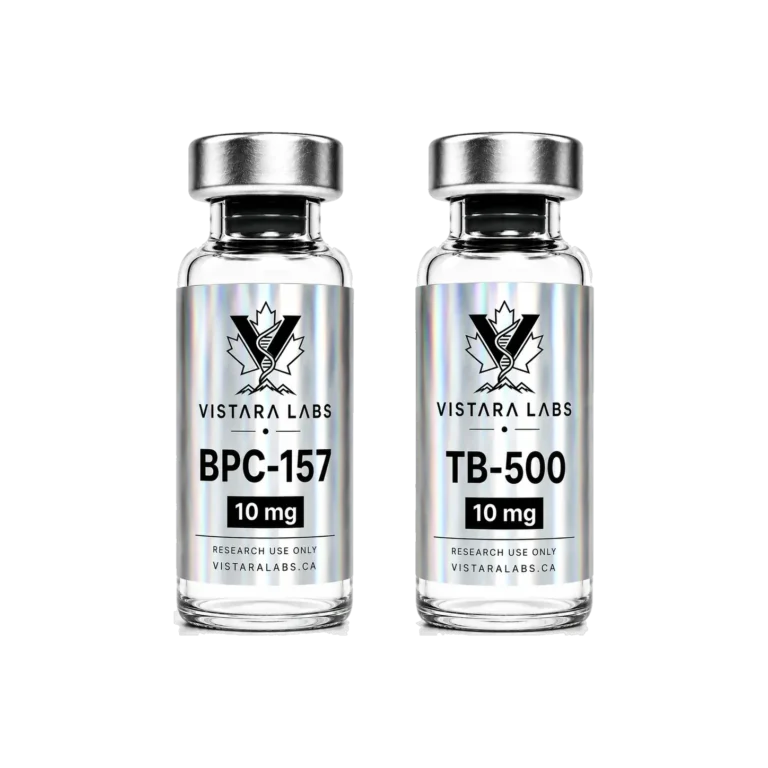
BPC-157 is a 15-amino-acid peptide derived from a protein in gastric juice. A 2018 review reported that it was consistently effective across models of acute and chronic injury throughout the gastrointestinal tract and that it improved tendon, ligament and bone healing in animal studies (Seiwerth et al., Curr Pharm Des, 2018). TB-500 is based on thymosin beta-4, an actin-binding protein with roles in dermal and corneal wound repair (Goldstein et al., Trends Mol Med, 2005). Most of this work is preclinical. Read more in BPC-157: what the research shows, BPC-157 vs TB-500 and peptides for injury recovery.
Growth hormone secretagogues
These peptides prompt the pituitary to release growth hormone. Ipamorelin, a five-amino-acid peptide, was described in 1998 as the first selective growth hormone secretagogue: in swine it released growth hormone without raising ACTH or cortisol (Raun et al., Eur J Endocrinol, 1998). In healthy adults, a single injection of the long-acting (DAC) form of CJC-1295 raised mean growth hormone 2 to 10 fold for six days or more (Teichman et al., J Clin Endocrinol Metab, 2006); the CJC-1295 + Ipamorelin blend uses the shorter-acting No DAC form, explained in CJC-1295 No DAC. Tesamorelin, a growth hormone releasing factor analogue, cut visceral fat by 15.2% over 26 weeks in a trial of 412 patients with HIV, against a 5.0% rise on placebo (Falutz et al., N Engl J Med, 2007). See CJC-1295 + Ipamorelin vs Tesamorelin.
GLP-family metabolic peptides
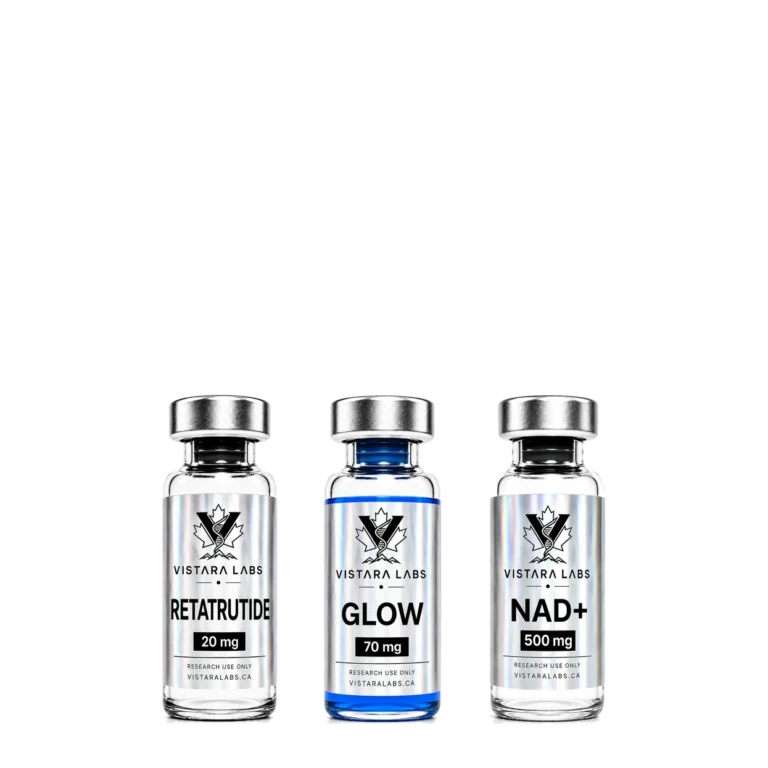
This family builds on glucagon-like peptide 1 (GLP-1), a 37-amino-acid gut hormone involved in insulin release (Wang et al., 2022). Retatrutide acts on three receptors, GIP, GLP-1 and glucagon. In a 48-week phase 2 trial of 338 adults with obesity, mean body weight fell 24.2% in the highest-dose group of reta (GLP-3), against 2.1% on placebo (Jastreboff et al., N Engl J Med, 2023). Tirzepatide acts on GIP and GLP-1 receptors; in a 72-week phase 3 trial of 2,539 adults, mean weight loss reached 20.9% at the highest dose, against 3.1% on placebo (Jastreboff et al., N Engl J Med, 2022). Cagrilintide is a long-acting analogue of amylin, a pancreatic satiety hormone; in a 26-week phase 2 trial of 706 participants, weight fell 6.0% to 10.8% across doses against 3.0% on placebo (Lau et al., Lancet, 2021). Gastrointestinal effects were the most common adverse events in each. Compare them in Retatrutide vs Tirzepatide, Retatrutide vs Cagrilintide and GLP-1, GLP-2 and GLP-3 explained.
Melanocortin peptides
Melanocortins act on the receptors that respond to alpha-MSH, which govern pigmentation, appetite and sexual function. PT-141 (bremelanotide) was tested in two randomised phase 3 trials with 1,247 premenopausal women with hypoactive sexual desire disorder; both showed significant gains in sexual desire and less distress related to low desire against placebo (Kingsberg et al., Obstet Gynecol, 2019). Melanotan II is its older relative, covered in PT-141 vs Melanotan II. KPV, the three-amino-acid tail of alpha-MSH (Lys-Pro-Val), reduced colitis in two mouse models after uptake through the PepT1 transporter (Dalmasso et al., Gastroenterology, 2008); see KPV peptide research.
Nootropic peptides: Semax and Selank
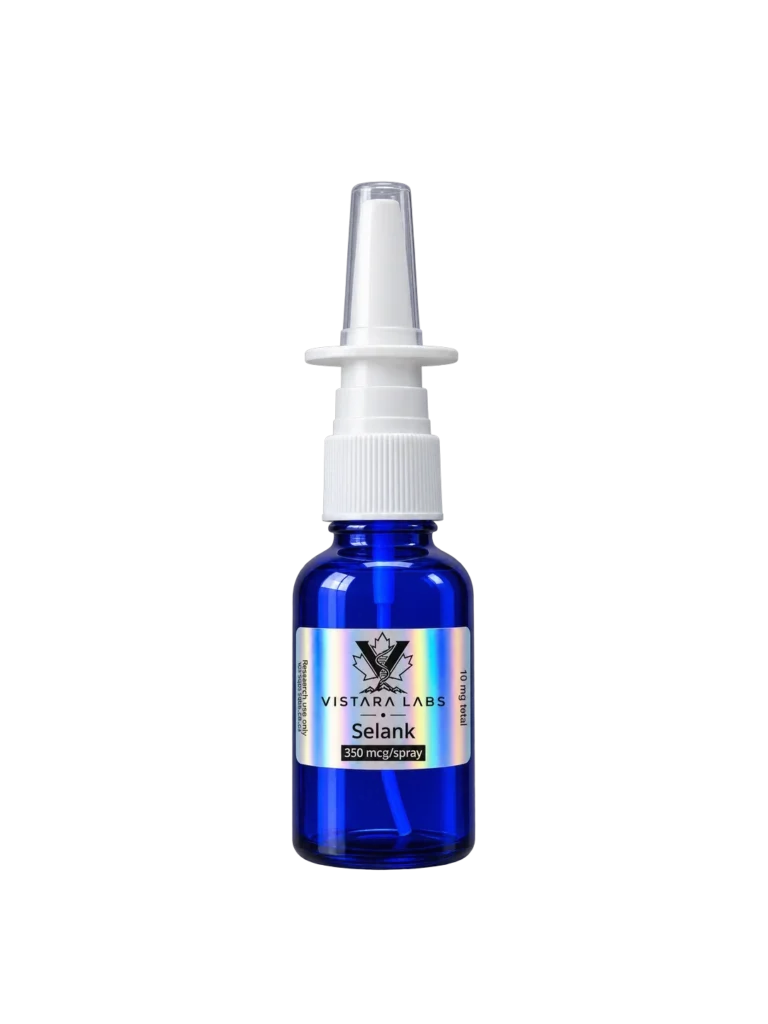
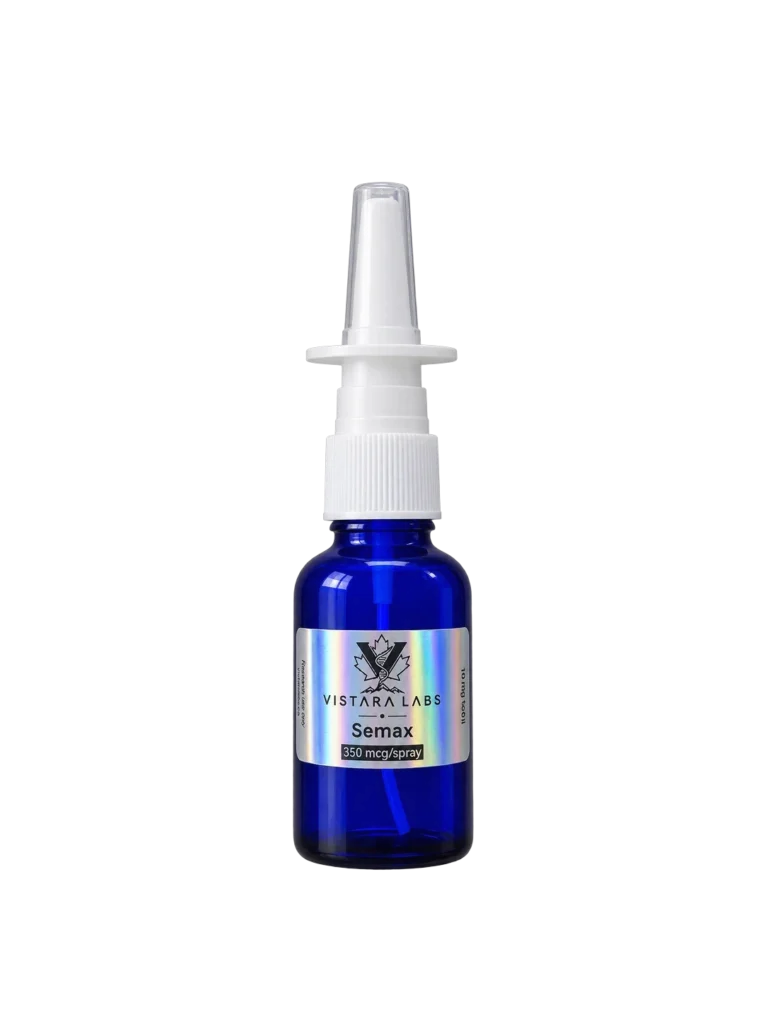
Semax is a seven-amino-acid analogue of the ACTH(4-10) fragment; in rats, a single application raised hippocampal BDNF protein 1.4 fold (Dolotov et al., Brain Res, 2006). Selank is a seven-amino-acid analogue of tuftsin; in a 2008 study of 62 patients with generalised anxiety disorder or neurasthenia, its anti-anxiety effect matched the benzodiazepine medazepam (Zozulia et al., Zh Nevrol Psikhiatr Im S S Korsakova, 2008). Both are compared in Semax vs Selank and peptides for focus and anxiety.
Mitochondrial peptides: MOTS-c and SS-31
MOTS-c is encoded in mitochondrial DNA rather than the cell nucleus. In mice it prevented diet-induced obesity and age-dependent insulin resistance, with skeletal muscle as its main target (Lee et al., 2015). SS-31 (elamipretide) is a mitochondria-targeted tetrapeptide; in September 2025 the US FDA granted it accelerated approval as the first treatment for Barth syndrome, a rare mitochondrial disease (FDA, 2025). Read What is MOTS-c?, SS-31 trials and MOTS-c vs SS-31.
Copper peptide: GHK-Cu
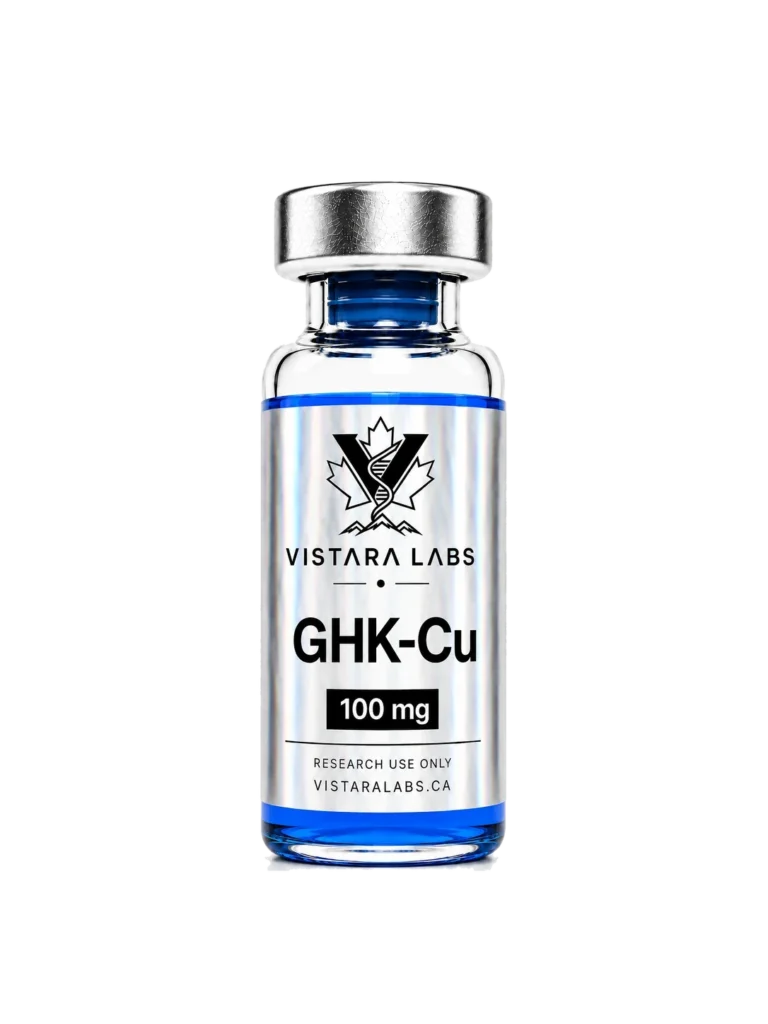
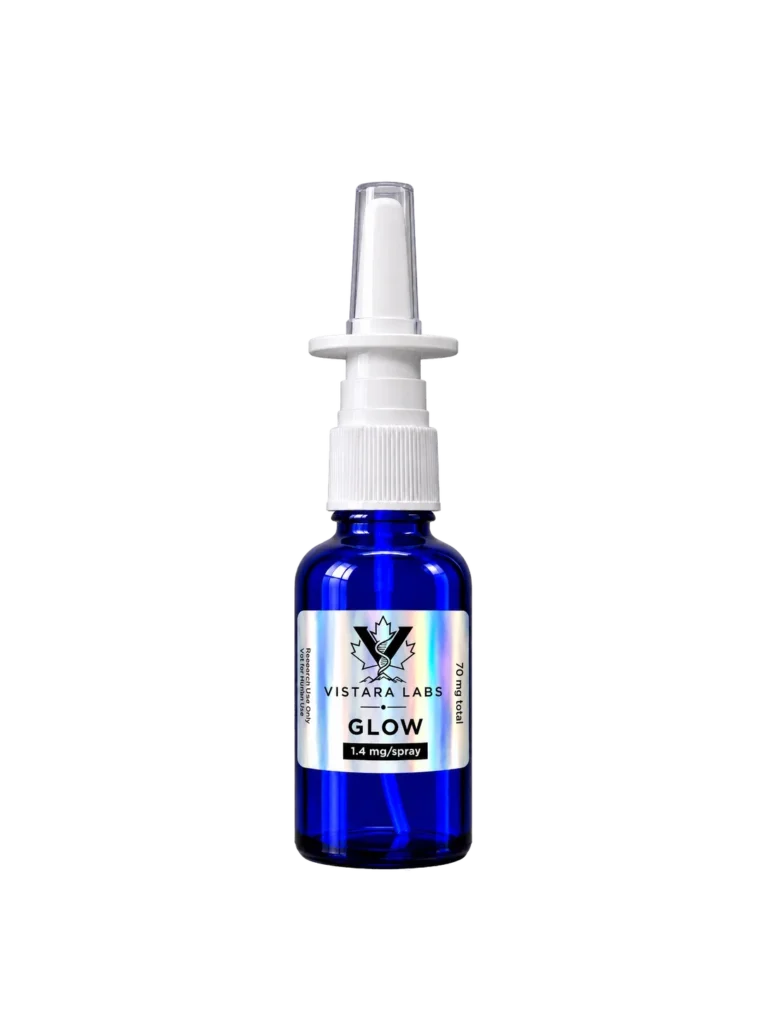
GHK is a naturally occurring human peptide that binds copper. A 2018 review reported that it stimulates blood vessel and nerve outgrowth, increases collagen, elastin and glycosaminoglycan synthesis, and supports dermal fibroblasts, with tissue repair shown in skin, lung, bone, liver and stomach lining (Pickart and Margolina, Int J Mol Sci, 2018). It is the base of the GLOW and KLOW blends; see GHK-Cu skin research.
Sleep and reproductive signalling: DSIP, kisspeptin and oxytocin
DSIP was named for the deep, delta-wave sleep it produced in the first rabbit experiments (Schoenenberger and Monnier, 1977); its human studies are covered in peptides for sleep. Kisspeptin sits at the top of the reproductive hormone axis: in a double-blind, placebo-controlled crossover study in six men, a kisspeptin-54 infusion raised LH, FSH and testosterone (Dhillo et al., J Clin Endocrinol Metab, 2005). Oxytocin is a nine-amino-acid hormone and was the first polypeptide hormone ever synthesised, work recognised with the 1955 Nobel Prize in Chemistry. See Kisspeptin vs Oxytocin.
Peptide families at a glance
| Family | Examples | Main research area | Read more |
|---|---|---|---|
| Healing and repair | BPC-157, TB-500 | Tendon, ligament, gut and wound repair | Injury recovery |
| Growth hormone secretagogues | CJC-1295, ipamorelin, tesamorelin | Growth hormone release, body composition | Growth hormone |
| GLP-family metabolic | Reta (GLP-3), tirzepatide, cagrilintide | Appetite, body weight, blood sugar | Weight and metabolism |
| Melanocortins | PT-141, Melanotan II, KPV | Sexual function, pigmentation, inflammation | Sexual health |
| Nootropic | Semax, Selank | Cognition, stress and anxiety | Cognitive |
| Mitochondrial | MOTS-c, SS-31 | Cellular energy, insulin sensitivity | Cellular energy |
| Copper peptide | GHK-Cu, GLOW, KLOW | Skin, collagen, tissue remodelling | Skin and tissue |
| Gut | KPV, BPC-157 | Intestinal inflammation | Gut health |
| Sleep and reproductive | DSIP, kisspeptin, oxytocin | Sleep architecture, reproductive hormones, bonding | Sleep |
Approved peptide medicines vs research peptides
Insulin, oxytocin, semaglutide and tesamorelin are approved medicines: each went through clinical trials, is made under pharmaceutical manufacturing rules and is prescribed for a specific condition. Since insulin, more than 80 peptide drugs have reached the market for conditions including diabetes, cancer, osteoporosis, HIV infection and chronic pain (Muttenthaler et al., 2021), and over 150 more were in clinical development as of 2018 (Lau and Dunn, Bioorg Med Chem, 2018).
Research peptides are the same class of molecule supplied for laboratory research. Some, such as BPC-157, have never been through an approval programme (see why BPC-157 is not FDA approved). Others, such as tirzepatide and oxytocin, also exist as approved medicines, but a research-grade vial is not a medicine and is not intended for human or veterinary use. NAD+, often sold alongside peptides, is not a peptide at all, as NAD+ is not a peptide explains.
Vials, nasal sprays, blends and stacks
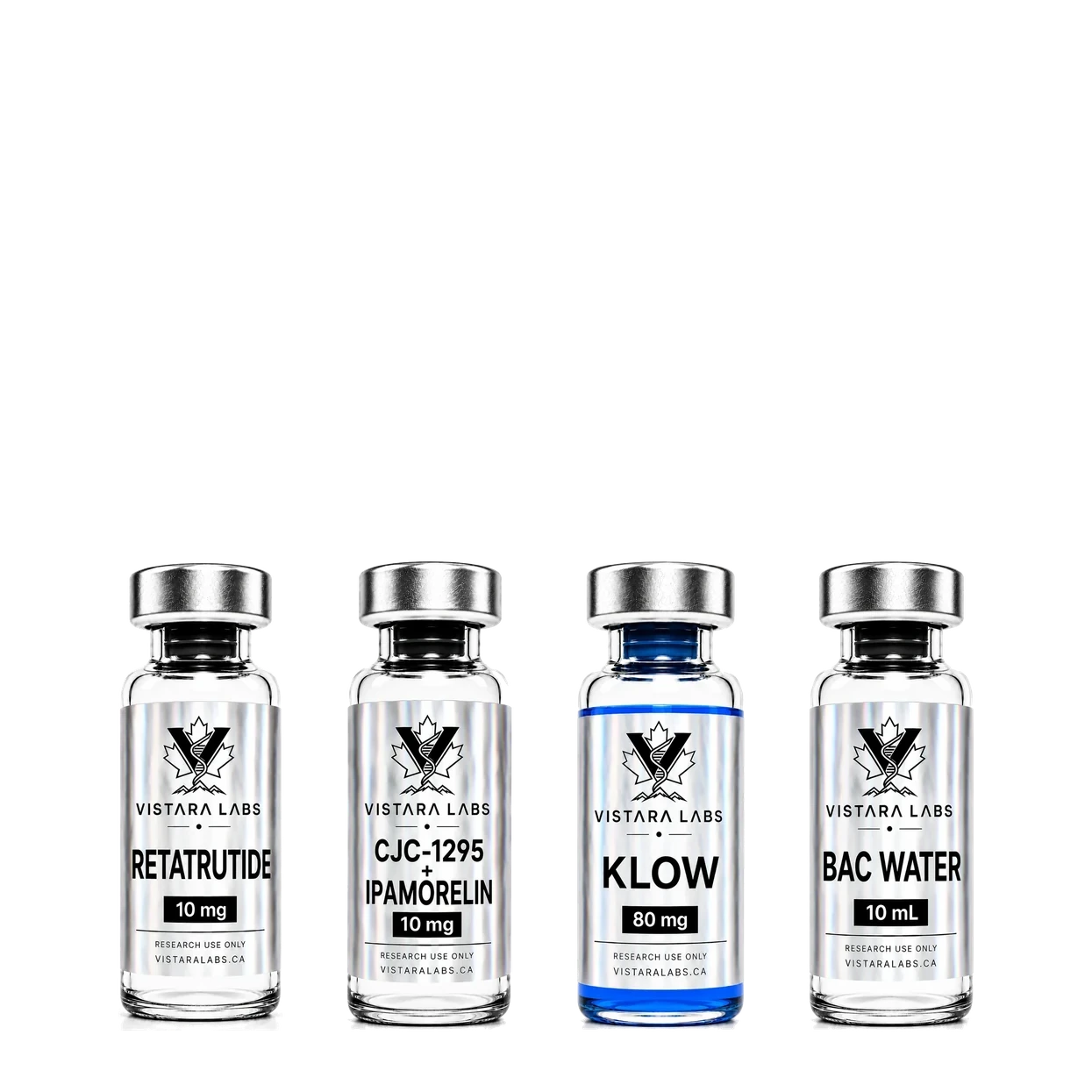
- Lyophilised vials. Most research peptides come as freeze-dried powder, far more stable than a solution, reconstituted with bacteriostatic water before use; see how to reconstitute peptides, bacteriostatic water explained and the peptide calculator.
- Ready-mixed nasal sprays. Already in solution in a sealed metered pump (0.175 mL per press), with no mixing step. The range is in peptide nasal sprays in Canada, with counts in sprays per bottle.
- Blends. Two or more peptides in one vial, such as BPC-157 + TB-500, GLOW and KLOW. See KLOW vs GLOW and blend vs separate vials.
- Stacks. Separate products grouped around one research theme, each in its own vial or spray. Browse the stacks page or read peptide stacks in Canada.
Are the peptides tested?
Yes. Vistara Labs products are third-party tested, and the certificates of analysis, listed by compound, are on the Lab Results page.
How are peptides stored?
Unmixed powder keeps best cold, dry and dark. Once reconstituted, a vial belongs in the fridge at 2 to 8 °C, in the dark and never refrozen; most peptides then last 8 to 12 weeks under our handling guidance, with tesamorelin the main exception at about a week. The rules are set out in how to store research peptides and how long peptides last after mixing, with sprays covered in how to store a peptide nasal spray and warning signs in why peptides gel or go cloudy.
Buying peptides in Canada
Buy Peptides in Canada is our hub, with a buying guide for every compound, and are peptides legal in Canada? covers how research peptides are sold here. Every Vistara Labs order ships from within Canada by Canada Post Xpresspost, so there is no customs step (domestic shipping explained). The full catalogue is on the peptides page, with a shortlist in the top 10 peptides.
The studies above were clinical or preclinical research using pharmaceutical or laboratory preparations.
Frequently asked questions
What are peptides?
Peptides are short chains of amino acids linked by peptide bonds. Many act as signals in the body, including hormones such as insulin and oxytocin. Research peptides such as BPC-157, GHK-Cu and MOTS-c are made synthetically for laboratory study.
What is the difference between a peptide and a protein?
Size and structure. Proteins are long chains that fold into complex shapes; peptides are short chains. US regulations define a protein as an amino acid chain of more than 40 amino acids, so anything at or under 40 counts as a peptide.
What are research peptides?
Research peptides are synthetic peptides supplied for laboratory research. Some have never been through an approval programme and others also exist as approved medicines, but a research-grade product is not a drug and is not intended for human or veterinary use.
How should peptides be stored?
Unmixed powder keeps best cold, dry and dark. After reconstitution with bacteriostatic water, vials go in the fridge at 2 to 8 °C and should not be refrozen; most peptides last 8 to 12 weeks under Vistara Labs’ handling guidance, with tesamorelin at about a week.
Where can I buy peptides in Canada?
Vistara Labs supplies peptide vials, blends, ready-mixed nasal sprays and stacks for research, shipped from within Canada by Canada Post Xpresspost.
Product details from vistaralabs.ca, October 2026. Sources: US Code of Federal Regulations, 21 CFR 600.3(h)(6), definition of a protein. eCFR. Muttenthaler M et al. Trends in peptide drug discovery. Nat Rev Drug Discov. 2021. PMID 33536635. Lau JL, Dunn MK. Therapeutic peptides: historical perspectives, current development trends, and future directions. Bioorg Med Chem. 2018. PMID 28720325. Wang L et al. Therapeutic peptides: current applications and future directions. Signal Transduct Target Ther. 2022. PMID 35165272. D’Hondt M et al. Related impurities in peptide medicines. J Pharm Biomed Anal. 2014. PMID 25044089. The Nobel Prize in Chemistry 1984, Bruce Merrifield. nobelprize.org. The Nobel Prize in Chemistry 1955, Vincent du Vigneaud. nobelprize.org. Schoenenberger GA, Monnier M. Characterization of a delta-electroencephalogram (-sleep)-inducing peptide. Proc Natl Acad Sci USA. 1977. PMID 265572. Lee C et al. The mitochondrial-derived peptide MOTS-c promotes metabolic homeostasis and reduces obesity and insulin resistance. Cell Metab. 2015. PMID 25738459. Seiwerth S et al. BPC 157 and standard angiogenic growth factors. Curr Pharm Des. 2018. PMID 29998800. Goldstein AL et al. Thymosin beta4: actin-sequestering protein moonlights to repair injured tissues. Trends Mol Med. 2005. PMID 16099219. Raun K et al. Ipamorelin, the first selective growth hormone secretagogue. Eur J Endocrinol. 1998. PMID 9849822. Teichman SL et al. Prolonged stimulation of growth hormone and insulin-like growth factor I secretion by CJC-1295 in healthy adults. J Clin Endocrinol Metab. 2006. PMID 16352683. Falutz J et al. Metabolic effects of a growth hormone-releasing factor in patients with HIV. N Engl J Med. 2007. PMID 18057338. Jastreboff AM et al. Triple-hormone-receptor agonist retatrutide for obesity: a phase 2 trial. N Engl J Med. 2023. PMID 37366315. Jastreboff AM et al. Tirzepatide once weekly for the treatment of obesity. N Engl J Med. 2022. PMID 35658024. Lau DCW et al. Once-weekly cagrilintide for weight management in people with overweight and obesity. Lancet. 2021. PMID 34798060. Kingsberg SA et al. Bremelanotide for the treatment of hypoactive sexual desire disorder: two randomized phase 3 trials. Obstet Gynecol. 2019. PMID 31599840. Dalmasso G et al. PepT1-mediated tripeptide KPV uptake reduces intestinal inflammation. Gastroenterology. 2008. PMID 18061177. Dolotov OV et al. Semax, an analog of ACTH(4-10) with cognitive effects, regulates BDNF and trkB expression in the rat hippocampus. Brain Res. 2006. PMID 16996037. Zozulia AA et al. Efficacy and possible mechanisms of action of a new peptide anxiolytic selank in the therapy of generalized anxiety disorders and neurasthenia. Zh Nevrol Psikhiatr Im S S Korsakova. 2008. PMID 18454096. US Food and Drug Administration. FDA grants accelerated approval to first treatment for Barth syndrome. 2025. fda.gov. Pickart L, Margolina A. Regenerative and protective actions of the GHK-Cu peptide in the light of the new gene data. Int J Mol Sci. 2018. PMID 29986520. Dhillo WS et al. Kisspeptin-54 stimulates the hypothalamic-pituitary gonadal axis in human males. J Clin Endocrinol Metab. 2005. PMID 16174713.
More on this: Buy Peptides in Canada and all research articles.
All products supplied by Vistara Labs are intended for laboratory research use only. They are not drugs, are not approved for human or veterinary use, and are not intended to diagnose, treat, cure or prevent any condition. Nothing on this page constitutes medical advice or guidance for use in humans.